
Allergies-and-immunity-enhancement

Allergies-and-immunity-enhancement
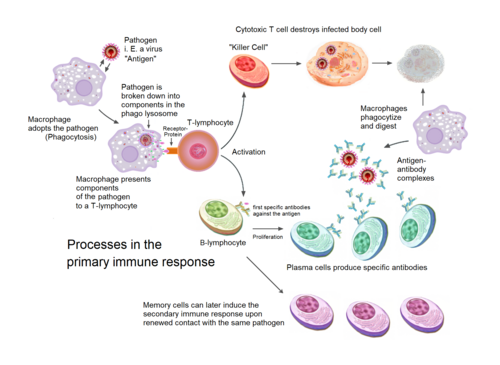
Homeopathy supports general immune health by stimulating the body's inherent self-regulating and healing mechanisms. The approach is holistic, considering both physical and emotional well-being - as stress and anxiety can weaken immunity.

How homeopathy is thought to work

Homeopathy uses highly diluted natural substances chosen according to the “like cures like” principle, aiming to trigger the body’s self‑regulation and improve resistance to illness.

Practitioners individualize treatment based on your overall symptom pattern, emotional state, and health history, rather than a single diagnosis

Some lab and preliminary clinical research suggests certain homeopathic medicines can modulate immune cells or immune responses, but these findings are not yet consistent or conclusive.

Common homeopathic remedies for immunity

Arsenicum album – often recommended by homeopaths for recurrent infections, digestive upsets, and as an immune-support remedy.

  • Gelsemium used when there are flu‑like symptoms with body ache, fatigue, and fever
  • Oscillococcinum marketed for flu‑like symptoms and sometimes promoted as an immune booster.
  • Echinacea‑based preparations ome homeopaths use these to support the body during frequent colds and seasonal infections.

Always take these only under guidance of a qualified homeopathic doctor, especially if you are pregnant, have chronic disease, or take other medicines

What the evidence says

Reviews of experimental and clinical studies report that some homeopathic preparations may influence immune markers (like certain white blood cells or cytokines), but studies are small and often methodologically weak.

Major medical bodies generally state that homeopathy should not replace evidence‑based treatments for serious infections or immune disorders, because robust trials showing clear benefit are lacking

In practice, many patients report fewer colds and better well‑being on individualized homeopathic treatment, but this can also reflect lifestyle changes, placebo effects, and the natural course of disease